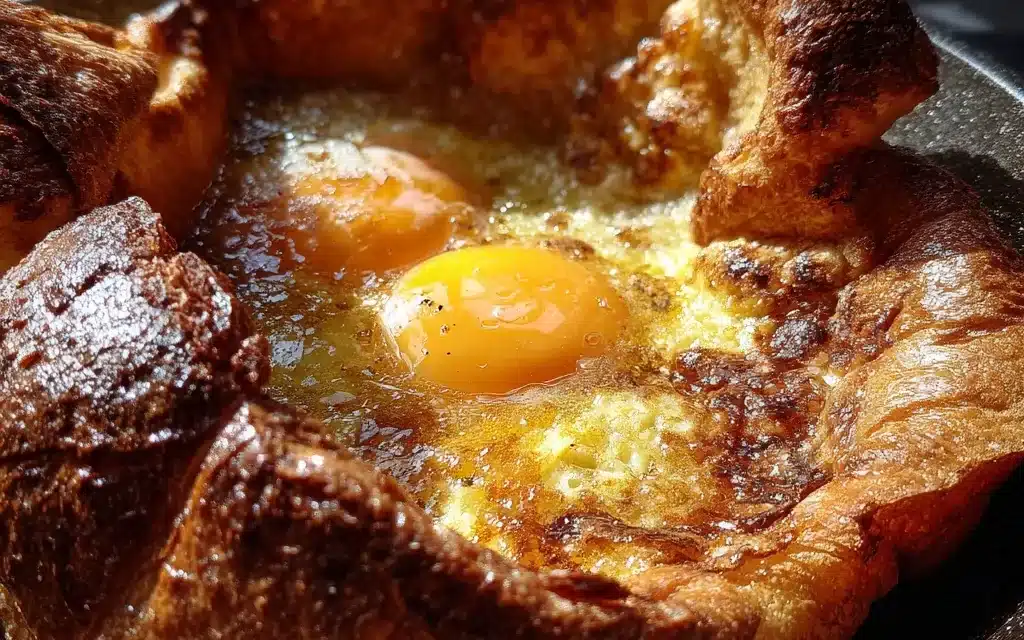
I’ll never forget the first time I made Yorkshire pudding. I was a young, eager home cook, determined to master the art of this classic British dish. It was a chilly winter day, and the aroma of roasting meat had been wafting through the house all afternoon. As the timer on the oven beeped, I carefully opened the door and held my breath, praying that my Yorkshire pudding had risen to perfection. And when I saw those golden, puffy rounds, I couldn’t contain my excitement – it was like a little taste of heaven!
You see, Yorkshire pudding holds a special place in my heart. It reminds me of Sunday roasts with my family, where we’d all gather around the table, passing plates of roasted veggies and slices of tender meat, eagerly awaiting the arrival of those crisp-edged, fluffy Yorkshire puddings. There’s just something about that perfect combination of savory flavors and light, airy texture that makes it an absolute must-have for any traditional British meal.
Over the years, I’ve perfected my Yorkshire pudding recipe, and I’m thrilled to share it with you today. This is the one that will become your go-to, the one that will have your family and friends raving about your culinary skills. Trust me, once you try this recipe, you’ll never go back to store-bought Yorkshire puddings again.
Why This Yorkshire Pudding Recipe Will Become Your Go-To
What makes this Yorkshire pudding recipe so special? It all comes down to the secret techniques I’ve learned over time. You see, the key to achieving those towering, golden-brown Yorkshire puddings is all in the batter and the oven temperature. I’ve experimented with different ratios of ingredients and cooking methods, and I can confidently say that this is the best Yorkshire pudding recipe you’ll ever come across.
The Secret Behind Perfect Yorkshire Pudding
The secret to my Yorkshire pudding recipe is two-fold: first, I use a higher ratio of eggs to flour, which helps create that signature light and airy texture. And second, I let the batter rest for at least 30 minutes before baking, which allows the gluten in the flour to relax and results in a more tender, rise-ready batter.
But that’s not all – I also have a special technique for getting those perfectly crisp edges. I preheat the oven to a scorching 450°F (230°C) and make sure the baking pan is piping hot before pouring in the batter. This sudden blast of intense heat is the key to achieving those iconic, dramatic rises. Trust me, your guests will be in awe when they see (and taste) the final result.
Essential Ingredients You’ll Need
To make this Yorkshire pudding recipe, you’ll need:
- Eggs: Large, room-temperature eggs are essential for creating the perfect rise and texture.
- Milk: Whole milk works best, as the higher fat content helps tenderize the batter.
- Flour: All-purpose flour is the way to go for this recipe. No need for anything fancy.
- Salt: A pinch of salt enhances the overall flavor and helps balance the sweetness.
- Butter or Oil: For greasing the baking pan to ensure the Yorkshire puddings release easily.
Step-by-Step Yorkshire Pudding Instructions
Preparing your Yorkshire pudding is a straightforward process, but there are a few key steps to follow to ensure success. The total cooking time is about 45 minutes, and you’ll need a muffin tin or Yorkshire pudding tray for baking.
1- Start by preheating your oven to a scorching 450°F (230°C). While the oven is heating, place your muffin tin or Yorkshire pudding tray in the oven to get it piping hot.
2- In a medium-sized bowl, whisk together the eggs and milk until well combined. Sift in the flour and salt, then whisk the batter until it’s smooth and lump-free. Cover the bowl and let the batter rest for at least 30 minutes.
3- Once the oven and baking pan are hot, carefully remove the pan from the oven and grease each cup with a small amount of butter or oil. Quickly pour the batter into the prepared cups, filling them about 3/4 full.
4- Return the pan to the oven and bake for 15-20 minutes, or until the Yorkshire puddings have risen dramatically and are golden-brown in color. Be sure to keep the oven door closed during this time to maintain the high heat.
5- Once the Yorkshire puddings are baked, reduce the oven temperature to 350°F (180°C) and continue baking for another 10-15 minutes. This second round of baking helps to set the structure and ensure the centers are fully cooked.
6- Remove the Yorkshire puddings from the oven and serve them hot, straight away. They’re best enjoyed alongside your favorite roasted meats, gravy, and roasted vegetables.
Pro Tips for Success
Here are a few pro tips to ensure your Yorkshire pudding recipe is an absolute hit:
– Make sure all your ingredients are at room temperature before starting. This helps the batter come together more easily.
– Don’t overmix the batter – just mix until it’s smooth and lump-free. Overmixing can develop too much gluten, resulting in tough Yorkshire puddings.
– Be careful not to open the oven door too often during baking, as this can cause the puddings to collapse.
– If your Yorkshire puddings aren’t rising as much as you’d like, try increasing the oven temperature or letting the batter rest for a bit longer.
– Avoid peeking too much while the Yorkshire puddings are baking – you don’t want to lose any of that precious oven heat.
Serving and Storing Your Yorkshire Pudding
Yorkshire pudding is a true showstopper, and it pairs beautifully with a variety of dishes. Serve it alongside your Sunday roast, with a hearty beef stew, or even as a decadent side for a holiday meal.
Perfect Pairings for Yorkshire Pudding
The classic pairing for Yorkshire pudding is, of course, a roast beef dinner. The savory, crisp Yorkshire pudding provides the perfect contrast to the tender, juicy beef and rich gravy. But don’t stop there – Yorkshire pudding also complements lamb, pork, and even vegetarian dishes like mushroom stroganoff.
For a real treat, try serving your Yorkshire puddings with a dollop of creamy horseradish sauce or a drizzle of rich, meaty gravy. And don’t forget the roasted potatoes, carrots, and other seasonal veggies to round out the meal.
Storage and Make-Ahead Tips
If you happen to have any leftover Yorkshire puddings (which is highly unlikely, but just in case!), they can be stored in an airtight container at room temperature for up to 2 days. To reheat, simply pop them back in the oven at 350°F (180°C) for 5-10 minutes until heated through and crisp.
You can also make the batter ahead of time and store it in the fridge for up to 24 hours before baking. Just be sure to give it a good whisk before pouring it into the hot baking pan. This make-ahead option is perfect for busy weeknights or when you’re hosting a crowd.
Variations and Dietary Adaptations for Yorkshire Pudding
While the traditional Yorkshire pudding is a true classic, there are plenty of ways to put a unique spin on this beloved dish. From seasonal flavors to dietary-friendly adaptations, the possibilities are endless.
Creative Yorkshire Pudding Variations
For a festive twist, try adding a handful of fresh herbs, such as rosemary or thyme, to the batter. You can also experiment with savory fillings, like a dollop of caramelized onions or a sprinkle of grated cheese.
Looking to celebrate the seasons? In the fall, fold in diced apples and a pinch of cinnamon for a cozy, autumnal take. Or, in the spring, add fresh lemon zest and a drizzle of honey for a bright, springtime version.
Making Yorkshire Pudding Diet-Friendly
For those following a gluten-free diet, you can easily adapt this recipe by swapping out the all-purpose flour for a gluten-free flour blend. Just be sure to adjust the baking time and temperature as needed, as gluten-free flours can behave differently.
And for our vegan friends, you can create a delicious dairy-free Yorkshire pudding by using plant-based milk, such as almond or oat milk, and replacing the eggs with a flax or chia “egg” (1 tablespoon ground flax or chia seeds mixed with 3 tablespoons water).
Frequently Asked Questions
Q: Can I use a different type of flour, like whole wheat or self-rising?
A: I wouldn’t recommend substituting the all-purpose flour in this recipe. The delicate texture of Yorkshire pudding relies on the specific properties of all-purpose flour. Using a different type of flour could result in a dense, heavy texture.
Q: How do I know when the Yorkshire puddings are fully baked?
A: You’ll know the Yorkshire puddings are done when they’ve risen dramatically and are golden-brown in color. The centers should be fully set, and you can gently poke them to check – they should feel light and airy, not dense or doughy.
Q: Can I freeze leftover Yorkshire puddings?
A: Absolutely! Yorkshire puddings freeze beautifully. Simply let them cool completely, then store them in an airtight container or resealable bag in the freezer for up to 3 months. To reheat, just pop them back in the oven at 350°F (180°C) for 10-15 minutes until heated through and crisp.
Q: How do I scale this recipe to feed a larger crowd?
A: This recipe makes about 12 individual Yorkshire puddings. To scale it up, simply double or triple the ingredients as needed. Just make sure to use multiple baking pans and work in batches to ensure even cooking.
Q: Why did my Yorkshire puddings turn out flat or dense?
A: There are a few common reasons why Yorkshire puddings can turn out flat or dense: the batter was overmixed, the oven temperature wasn’t hot enough, or the batter wasn’t given enough time to rest. Make sure to follow the recipe instructions closely, and don’t be afraid to experiment to find the perfect technique for your oven.

Yorkshire Pudding
- Total Time: 30
- Yield: 12
Description
Discover the secret to making the most mouthwatering Yorkshire Pudding in just 30 minutes! This effortless and award-winning recipe will elevate your Sunday roast to new heights.
Ingredients
– 1 cup all-purpose flour
– 1/2 teaspoon salt
– 3 large eggs
– 1 cup milk
– 2 tablespoons unsalted butter, melted
Instructions
1. 1. Preheat oven to 400°F (200°C).
2. 2. In a medium bowl, whisk together the flour and salt.
3. 3. In a separate bowl, beat the eggs. Gradually whisk in the milk until well combined.
4. 4. Pour the egg mixture into the flour mixture and whisk until smooth and lump-free.
5. 5. Brush a 12-cup muffin tin with the melted butter.
6. 6. Fill each muffin cup about 3/4 full with the batter.
7. 7. Bake for 20-25 minutes, or until the puddings are golden brown and puffed up.
8. 8. Serve hot, with your favorite roast and gravy.
Notes
For best results, make sure all ingredients are at room temperature before mixing. You can also add a teaspoon of dried thyme or rosemary to the batter for extra flavor.
- Prep Time: 10
- Cook Time: 20
- Category: Main Dishes
- Method: Baking
- Cuisine: British
Conclusion
There you have it – my tried-and-true Yorkshire pudding recipe that’s sure to become your new go-to. With its light, airy texture and crisp, golden-brown edges, this classic dish is the perfect accompaniment to any roast dinner.
I can’t wait for you to try this recipe and experience the joy of perfectly baked Yorkshire puddings. Let me know how it turns out in the comments below, and be sure to share your photos on social media using the hashtag #YorkshirePuddingPerfection. Bon appétit!