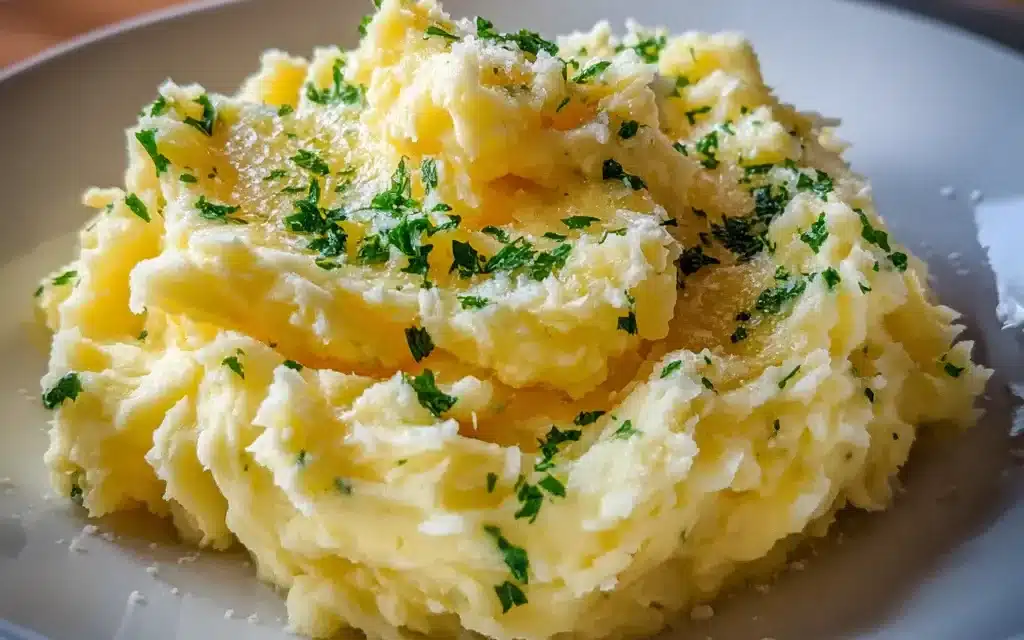
Growing up, Mashed Potatoes were a staple at our family gatherings. I can still remember the comforting aroma of buttery potatoes wafting through the house, signaling that something delicious was in the works. My grandma would spend hours peeling, boiling, and mashing the potatoes to perfection, adding just the right amount of cream and seasonings to create a dish that was truly heaven-sent.
What Makes This Mashed Potatoes Recipe Special
As I’ve grown older, I’ve experimented with countless Mashed Potatoes recipes, trying to capture that same nostalgic flavor and texture that my grandma’s version had. After years of trial and error, I’ve finally landed on a recipe that I believe stands out from the crowd. This Mashed Potatoes recipe delivers an incredible flavor that’ll have your family asking for seconds, and it’s all thanks to some simple yet highly effective techniques.
The Science Behind Perfect Mashed Potatoes
Understanding the science behind Mashed Potatoes can make all the difference in achieving that coveted creamy, fluffy texture. Here’s what sets this recipe apart:
| Technique | Why It Works | Result |
|---|---|---|
| Simmering the potatoes in a blend of milk and broth | The milk and broth work together to add richness and depth of flavor, while the gentle simmer ensures the potatoes cook evenly. | Incredibly flavorful Mashed Potatoes with a luxurious, velvety texture. |
| Thoroughly draining the cooked potatoes | Removing as much excess moisture as possible prevents the Mashed Potatoes from becoming waterlogged and gluey. | Light, airy Mashed Potatoes with a perfect consistency. |
| Incorporating the butter in stages | Adding the butter in small amounts, rather than all at once, allows it to emulsify with the potatoes, creating a smooth, creamy finish. | Mashed Potatoes with a rich, buttery flavor and silky-smooth texture. |
Essential Ingredients Breakdown
Core Ingredients
Here’s everything you’ll need to create the perfect Mashed Potatoes:
Primary Ingredients:
- Potatoes – Choose a starchy variety like Yukon Gold or Russet for the best texture. Avoid waxy potatoes, which can result in a gummy, dense consistency.
- Milk – Whole milk or half-and-half work best, as they add creaminess and richness to the Mashed Potatoes.
- Butter – Use high-quality, unsalted butter for maximum flavor.
Flavor Enhancers:
- Salt – Seasoning the potatoes properly is key to bringing out their natural sweetness.
- Black Pepper – A touch of freshly ground black pepper adds warmth and depth to the dish.
- Chicken or Vegetable Broth – Simmering the potatoes in a blend of broth and milk infuses them with an extra layer of savory flavor.
Step-by-Step Mashed Potatoes Instructions
Equipment You’ll Need
Before we start cooking, gather these essential tools:
- A large pot for boiling the potatoes
- A potato masher or ricer (for the fluffiest Mashed Potatoes)
- A handheld mixer or stand mixer (optional, for extra-smooth Mashed Potatoes)
- Measuring cups and spoons
Preparation Timeline
Total Time: 45 minutes
- Prep Time: 15 minutes
- Cook Time: 20 minutes
- Rest/Cool Time: 10 minutes
Detailed Cooking Steps
Step 1: Preparation Phase
Begin by peeling and cutting the potatoes into 1-inch cubes. This will help them cook evenly. Place the cubed potatoes in a large pot and cover them with a mixture of milk and broth, ensuring the potatoes are fully submerged.
Step 2: Initial Cooking
Bring the pot to a boil over high heat, then reduce the heat to medium-low and let the potatoes simmer for 15-20 minutes, or until they’re fork-tender. Be careful not to overcook the potatoes, as this can lead to a gummy texture.
Step 3: Flavor Development
Once the potatoes are cooked, drain them thoroughly in a colander, making sure to remove as much excess moisture as possible. Transfer the potatoes back to the pot and mash them with a potato masher or ricer. Gradually add the butter, one tablespoon at a time, mixing well after each addition to create a smooth, creamy texture. Season the Mashed Potatoes with salt and pepper to taste.
Step 4: Final Cooking Stage
If the Mashed Potatoes seem a bit thick, you can thin them out by adding a splash of warm milk or broth, mixing well until you reach your desired consistency.
Step 5: Finishing Touches
Serve the Mashed Potatoes hot, garnished with a sprinkle of chopped chives or a pat of butter in the center. Enjoy!
Pro Chef Tips for Success
🔥 Temperature Control Tips:
- Maintain a gentle simmer when cooking the potatoes to prevent them from falling apart.
- Use a food thermometer to ensure the Mashed Potatoes reach an internal temperature of at least 165°F before serving.
- Reheat Mashed Potatoes gently over low heat, stirring frequently, to prevent them from drying out.
⚡ Technique Secrets:
- For extra-smooth Mashed Potatoes, use a potato ricer or a handheld mixer instead of a masher.
- Avoid overmixing the potatoes, as this can lead to a gummy, sticky texture.
- Separate the cooked potatoes into smaller batches when mashing to ensure a consistent, lump-free texture.
✨ Flavor Boosting Hacks:
- Stir in a dollop of sour cream or cream cheese for an extra creamy finish.
- Add freshly grated Parmesan cheese or chopped fresh herbs for a flavor twist.
- Drizzle the Mashed Potatoes with melted butter or gravy for a decadent presentation.
Serving Suggestions & Pairings
Perfect Combinations
This Mashed Potatoes pairs beautifully with:
| Main Pairing | Why It Works | Serving Style |
|---|---|---|
| Roasted Chicken | The rich, creamy Mashed Potatoes complement the savory, juicy chicken perfectly. | Serve the Mashed Potatoes alongside the roasted chicken, with a side of roasted vegetables. |
| Grilled Steak | The Mashed Potatoes provide a comforting, starchy base that balances the bold flavors of the grilled steak. | Spoon the Mashed Potatoes onto the plate, then top with the grilled steak and a drizzle of pan sauce. |
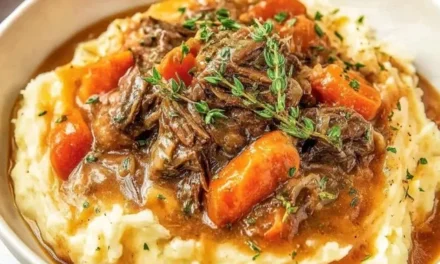
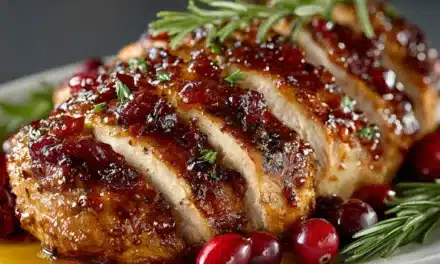
| Roasted Turkey | Mashed Potatoes are a classic pairing with roasted turkey, soaking up the flavorful turkey juices. | For Thanksgiving or Christmas, serve the Mashed Potatoes as a side dish to the roasted turkey, alongside other holiday favorites. |
Occasion Ideas
Perfect for:
- Holiday Gatherings – Mashed Potatoes are a staple at Thanksgiving, Christmas, and other festive occasions.
- Weeknight Dinners – This easy-to-prepare recipe is a crowd-pleasing side dish for any family meal.
- Potlucks and Parties – Mashed Potatoes are always a hit when served alongside grilled meats, roasted vegetables, and other comforting dishes.
Storage & Make-Ahead Guide
Short-Term Storage (1-3 days)
Refrigerator Storage:
- Store the Mashed Potatoes in an airtight container in the refrigerator.
- Keep them at a temperature between 35-40°F.
- Separate the Mashed Potatoes from any toppings or garnishes before storing.
Reheating Instructions:
- To reheat, transfer the Mashed Potatoes to a saucepan and warm them over low heat, stirring frequently, until heated through.
- You can also reheat the Mashed Potatoes in the microwave, stirring every 30 seconds, until hot.
- Pro tip: Add a splash of milk or broth to the Mashed Potatoes before reheating to prevent them from drying out.
Recipe Variations & Adaptations
Flavor Variations
Classic Variations:
- Garlic Mashed Potatoes: Sauté minced garlic in the butter before adding it to the mashed potatoes.
- Chive and Cheddar Mashed Potatoes: Stir in shredded cheddar cheese and chopped fresh chives.
- Herbed Mashed Potatoes: Mix in chopped fresh rosemary, thyme, or parsley.
Dietary Adaptations
| Dietary Need | Substitutions | Notes |
|---|---|---|
| Gluten-Free | Use gluten-free broth or stock | The texture and flavor will remain the same. |
| Dairy-Free | Replace the milk and butter with unsweetened almond milk and olive oil or coconut oil | The Mashed Potatoes will have a slightly different texture and flavor profile. |
| Low-Carb | Substitute half the potatoes with cauliflower florets | This will reduce the carb content while maintaining the creamy texture. |
| Vegan | Use unsweetened almond milk and olive oil or coconut oil instead of dairy products | The Mashed Potatoes will have a slightly different texture and flavor, but this adaptation works well. |
Troubleshooting Common Issues
Problem-Solution Guide
| Common Issue | Likely Cause | Quick Fix | Prevention |
|---|---|---|---|
| Gummy or gluey Mashed Potatoes | Overworking the potatoes or not draining them thoroughly enough | Use a potato ricer or masher to gently mash the potatoes, and be sure to remove as much excess moisture as possible. | Avoid overmixing the potatoes and make sure to thoroughly drain them after cooking. |
| Lumpy Mashed Potatoes | Undercooked potatoes or not mashing them thoroughly enough | Use a handheld mixer or potato ricer to smooth out any remaining lumps. | Ensure the potatoes are cooked until fork-tender, and take the time to mash them thoroughly. |
| Watery Mashed Potatoes | Using too much liquid or not cooking the potatoes long enough | Add the liquid gradually and cook the potatoes until they’re very soft and tender. | Use the right ratio of potatoes to liquid, and be sure to cook the potatoes until they’re easily mashable. |
Frequently Asked Questions
Q: Can I make this Mashed Potatoes ahead of time?
A: Absolutely! Mashed Potatoes are a great make-ahead dish. You can prepare the Mashed Potatoes up to 3 days in advance and store them in the refrigerator. When ready to serve, simply reheat the potatoes gently over low heat, stirring frequently, until heated through. You may need to add a splash of milk or broth to adjust the consistency if the Mashed Potatoes have thickened up during storage.
Q: What’s the best substitute for milk?
A: If you’re looking for a dairy-free or lactose-free alternative, unsweetened almond milk or oat milk work well as substitutes for the milk in this Mashed Potatoes recipe. You can also use vegetable or chicken broth as the liquid, or a combination of broth and non-dairy milk. Keep in mind that the texture and flavor may be slightly different, but these substitutions can still produce delicious Mashed Potatoes.
Q: How do I know when the Mashed Potatoes is perfectly done?
A: You’ll know the Mashed Potatoes are perfectly cooked when the potatoes are fork-tender and easily mash with minimal effort. The potatoes should have a soft, creamy texture, and you should be able to easily incorporate the butter and seasonings into a smooth, lump-free consistency.
Q: Can I double or halve this recipe?
A: Absolutely! This Mashed Potatoes recipe scales up or down very well. If you need to serve a larger crowd, simply double all the ingredients. Conversely, if you’re cooking for a smaller group, you can halve the recipe. Just be sure to adjust the cooking time and liquid amounts accordingly to ensure the potatoes cook evenly.
Q: Why didn’t my Mashed Potatoes turn out like yours?
A: There are a few common issues that can affect the final texture and flavor of Mashed Potatoes:
- Overcooking the potatoes can lead to a gummy, gluey consistency.
- Not draining the potatoes thoroughly enough can result in watery Mashed Potatoes.
- Overmixing the potatoes can cause them to become dense and sticky.
- Using the wrong type of potato (such as a waxy variety) can impact the texture.
If your Mashed Potatoes don’t turn out quite right, refer to the Troubleshooting section for tips on how to identify and fix common problems.
Mashed Potatoes
- Total Time: 35
- Yield: 6
Description
Sink your fork into these rich, creamy, and utterly irresistible Mashed Potatoes. Whipped to perfection with just a few simple ingredients, this recipe delivers restaurant-quality results with minimal effort.
Ingredients
– 3 lbs russet potatoes, peeled and cut into 1-inch cubes
– 1 cup whole milk
– 8 tbsp unsalted butter, softened
– 1 tsp salt
– 1/2 tsp black pepper
Instructions
1. 1. Place the cubed potatoes in a large pot and cover with cold water by 1 inch.
2. 2. Bring the water to a boil over high heat, then reduce the heat to medium-low and simmer for 15-20 minutes, until the potatoes are very tender when pierced with a fork.
3. 3. Drain the potatoes in a colander and return them to the hot pot for 1 minute to evaporate any remaining moisture.
4. 4. Add the milk and butter to the potatoes and mash with a potato masher or ricer until smooth and creamy. Season with salt and pepper.
5. 5. Serve hot and enjoy!
Notes
For extra-creamy mashed potatoes, use a ricer instead of a masher. You can also add in grated cheese, sour cream, or chives for extra flavor. Leftover mashed potatoes can be refrigerated for up to 5 days or frozen for up to 3 months.
- Prep Time: 15
- Cook Time: 20
- Category: Side Dish
- Method: Stovetop
- Cuisine: American
Final Thoughts
There you have it – the ultimate guide to making perfect Mashed Potatoes! This recipe has been a game-changer in my kitchen, and I know it’ll become a staple in yours too.
What makes this recipe special:
- Foolproof techniques that work every time
- Flexible ingredients that adapt to your preferences
- Professional results with home kitchen equipment
Give this Mashed Potatoes recipe a try this week, and don’t forget to share your results! I’d love to see your creations – tag me on social media or leave a comment below with your variations and tips.
Your turn: What’s your favorite way to enjoy Mashed Potatoes? Share your family traditions or creative twists in the comments!