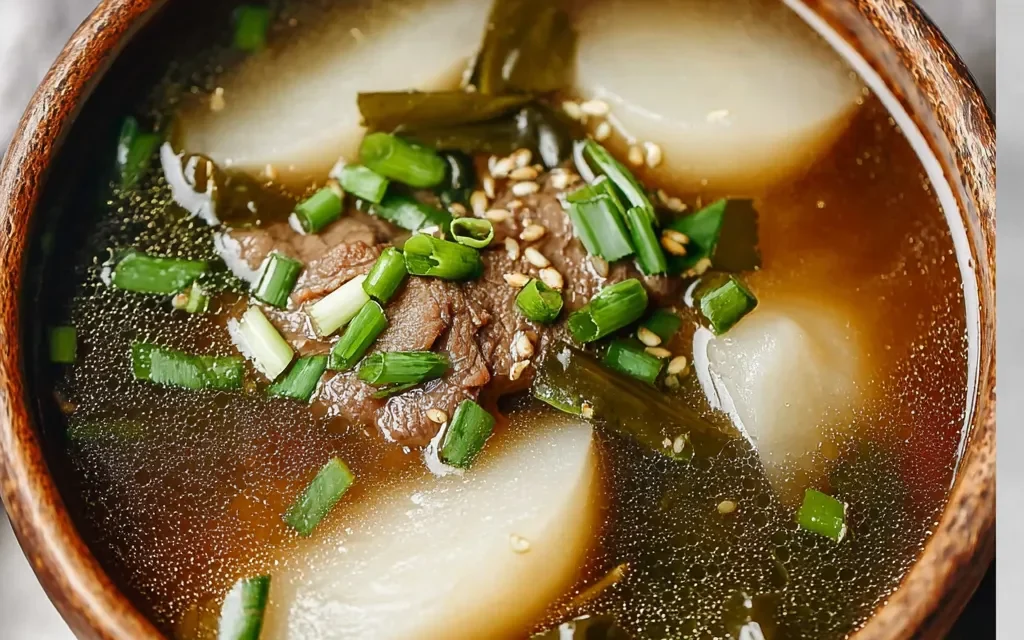
The aroma of simmering broth filled the air as I stepped into my grandmother’s cozy kitchen. She was carefully tending to her signature Korean Winter Soup, the flavors of which had become a cherished memory from my childhood. The warmth of the steaming bowl, the tender slices of beef, and the burst of spicy-sweet gochugaru – it was a symphony of flavors that never failed to transport me back to those cold, winter days spent with my family.
As I watched my grandmother ladle the fragrant soup into our bowls, I knew this dish was more than just a meal. It was a connection to my heritage, a tradition that had been passed down through generations. And now, I’m excited to share this special recipe with you, so you can experience the joy and comfort of Korean Winter Soup for yourself.
Why This Korean Winter Soup Recipe Will Become Your Go-To
The Secret Behind Perfect Korean Winter Soup
What sets this Korean Winter Soup recipe apart is the perfect balance of flavors and textures. The combination of tender beef or pork, the earthy daikon radish, and the bold gochugaru creates a depth of flavor that’s both comforting and invigorating. The secret lies in the careful preparation and the slow simmering process, which allows the ingredients to meld together seamlessly.
Essential Ingredients You’ll Need
This recipe calls for a carefully curated list of ingredients that work together to create the ultimate Korean Winter Soup:
- 1 pound beef or pork, thinly sliced: The protein adds heartiness and substance to the soup, while the thin slices ensure it cooks quickly and stays tender.
- 1 medium onion, diced: The onion provides a sweet, aromatic base that complements the other flavors.
- 3 cloves garlic, minced: Garlic is a staple in Korean cuisine, lending its pungent flavor and aroma to the broth.
- 1 tablespoon grated ginger: Ginger adds a warm, slightly spicy note that helps to balance the dish.
- 1 medium daikon radish, peeled and sliced: The daikon radish contributes a refreshing crunch and a subtle, earthy flavor.
- 4 cups beef or chicken broth: The broth serves as the foundation, providing a rich, savory base for the soup.
- 2 tablespoons soy sauce: Soy sauce adds depth and umami to the broth.
- 1 tablespoon Korean red pepper flakes (gochugaru): Gochugaru brings the signature spicy kick that makes Korean cuisine so unique.
- 1 teaspoon sesame oil: Sesame oil lends a toasted, nutty flavor and aroma that ties the dish together.
- 2 green onions, sliced: The green onions provide a fresh, bright note and a pop of color.
- Salt and pepper to taste: These simple seasonings help to balance the flavors and bring out the best in the other ingredients.
Step-by-Step Korean Winter Soup Instructions
Preparing Your Korean Winter Soup
With a prep time of just 15 minutes and a cook time of 30 minutes, this Korean Winter Soup comes together quickly, making it the perfect weeknight meal. You’ll need a large pot or Dutch oven to bring all the flavors together.
1- Begin by thinly slicing the beef or pork. This step is crucial for ensuring the meat cooks through quickly and remains tender. Next, dice the onion and mince the garlic and ginger – the aromas from these ingredients will immediately start to infuse the broth.
2- In the pot, sauté the onion, garlic, and ginger over medium heat until fragrant and the onion is translucent. This should take about 3-4 minutes. Be sure to stir frequently to prevent the garlic from burning.
3- Once the aromatics are ready, add the thinly sliced meat to the pot. Allow the meat to brown slightly, which will take around 5 minutes. This step helps to lock in the flavor and juices.
4- Now, pour in the beef or chicken broth and add the sliced daikon radish. Bring the mixture to a boil, then reduce the heat and let it simmer for 15-20 minutes. During this time, the daikon will soften and the flavors will meld together beautifully.
5- To finish, stir in the soy sauce, gochugaru, and sesame oil. Taste and adjust the seasoning with salt and pepper as needed. Finally, garnish with the sliced green onions.
6- Ladle the piping hot Korean Winter Soup into bowls and serve immediately. The combination of the savory broth, tender meat, and crunchy daikon will warm you from the inside out.
Pro Tips for Success
- Slice the meat as thinly as possible to ensure it cooks quickly and stays tender. You can even partially freeze the meat before slicing to make this process easier.
- Don’t be afraid to adjust the amount of gochugaru to suit your spice preference. Start with 1 tablespoon and add more if you want a bolder kick.
- For a richer, more indulgent broth, consider using a combination of beef and chicken broth.
- Experiment with different protein options, such as pork, chicken, or even tofu for a vegetarian version.
- Garnish the soup with extra green onions, a drizzle of sesame oil, or a sprinkle of toasted sesame seeds for added flavor and visual appeal.
Serving and Storing Your Korean Winter Soup
Perfect Pairings for Korean Winter Soup
This Korean Winter Soup is a satisfying meal on its own, but it also pairs beautifully with a variety of side dishes. Consider serving it alongside steamed white rice, kimchi, or a fresh salad for a complete and balanced dinner. For drinks, a refreshing iced tea or a crisp Korean lager would complement the flavors perfectly.
When it comes to occasions, this soup is a fantastic option for cozy family gatherings or casual get-togethers with friends. The recipe yields 4 servings, making it easy to scale up or down depending on your needs.
Storage and Make-Ahead Tips
One of the best things about this Korean Winter Soup is that it reheats beautifully, making it a great option for meal prep and leftovers. To store, simply let the soup cool completely, then transfer it to an airtight container. It will keep in the refrigerator for up to 4 days.
For longer-term storage, you can freeze the soup in individual portions or in a larger container. It will keep in the freezer for up to 3 months. When you’re ready to enjoy it, simply thaw the soup in the refrigerator overnight and then reheat it on the stovetop until piping hot.
Variations and Dietary Adaptations for Korean Winter Soup
Creative Korean Winter Soup Variations
While this recipe is already a delicious classic, there are plenty of ways to put your own spin on it. Consider adding different types of vegetables, such as spinach, mushrooms, or bok choy, to change up the flavors and textures. You could also try using a combination of meats, like beef and pork, or swapping in chicken or tofu for a different protein.
For a heartier version, you can add Korean glass noodles (japchae) or even dumplings to the soup. And if you’re looking to lighten things up, try substituting low-sodium broth and reducing the amount of soy sauce.
Making Korean Winter Soup Diet-Friendly
To make this recipe more diet-friendly, there are a few simple swaps you can try. For a gluten-free version, use tamari or coconut aminos instead of regular soy sauce. To make it vegan or vegetarian, simply replace the beef or pork with extra-firm tofu or your favorite plant-based protein, and use vegetable broth instead of meat-based broths.
For a low-carb or keto-friendly option, skip the daikon radish and serve the soup over cauliflower rice or zucchini noodles. You can also reduce the amount of soy sauce and gochugaru to lower the sodium and carb content.
Frequently Asked Questions
Q: Can I substitute the beef or pork with a different protein?
A: Absolutely! This recipe works well with a variety of proteins, such as chicken, tofu, or even seafood like shrimp or fish.
Q: How long does it take to prepare and cook the Korean Winter Soup?
A: According to the recipe, the total time to prepare and cook this soup is 45 minutes, with 15 minutes of prep time and 30 minutes of cook time.
Q: Can I make this soup ahead of time and reheat it later?
A: Yes, this soup reheats very well. You can store it in the refrigerator for up to 4 days or in the freezer for up to 3 months. When ready to serve, simply reheat it on the stovetop until piping hot.
Q: How many servings does this Korean Winter Soup recipe make?
A: This recipe yields 4 servings of Korean Winter Soup.
Q: What should I do if the soup seems too spicy or too salty?
A: If the soup is too spicy, you can add more broth or a splash of water to dilute the flavors. If it’s too salty, try adding a bit of sugar or a squeeze of fresh lemon juice to balance the seasoning.
Korean Winter Soup
- Total Time: 45
- Yield: 4 servings
Description
This authentic Korean Winter Soup is a comforting and nourishing dish that’s perfect for chilly days. The rich, savory broth is made with tender beef or pork, crisp vegetables, and a blend of aromatic spices, creating a truly satisfying and flavorful meal.
Ingredients
– 1 pound beef or pork, thinly sliced
– 1 medium onion, diced
– 3 cloves garlic, minced
– 1 tablespoon grated ginger
– 1 medium daikon radish, peeled and sliced
– 4 cups beef or chicken broth
– 2 tablespoons soy sauce
– 1 tablespoon Korean red pepper flakes (gochugaru)
– 1 teaspoon sesame oil
– 2 green onions, sliced
– Salt and pepper to taste
Instructions
1. In a large pot or Dutch oven, bring the broth to a boil over high heat.
2. Add the sliced beef or pork, onion, garlic, and ginger. Reduce heat to medium-low and simmer for 15-20 minutes, or until the meat is cooked through.
3. Add the daikon radish to the pot and continue simmering for 10 more minutes, or until the radish is tender.
4. Stir in the soy sauce, Korean red pepper flakes, and sesame oil. Season with salt and pepper to taste.
5. Garnish the soup with sliced green onions before serving.
Notes
For a heartier meal, serve the Korean Winter Soup with steamed white rice and traditional Korean banchan (side dishes) on the side.
- Prep Time: 15
- Cook Time: 30
- Category: Main Dishes
- Method: Stovetop
- Cuisine: Korean
Conclusion
Korean Winter Soup is a true masterpiece of flavors, with its tender meat, crunchy vegetables, and bold spices. This recipe is a testament to the rich culinary heritage of Korea, and it’s sure to become a beloved staple in your household.
Whether you’re looking for a comforting meal on a cold winter night or a delicious way to explore new flavors, this Korean Winter Soup is the perfect choice. So, grab your pot, gather your ingredients, and get ready to embark on a sensory journey that will warm your soul and delight your taste buds. Don’t forget to let me know how your soup turns out – I’d love to hear your thoughts!